Comprehensive Guide to Builders Waste Clearance in Hillingdon
Understanding Builders Waste Clearance
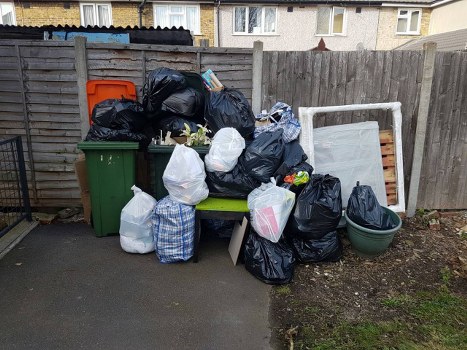
Builders waste clearance is an essential service for any construction or renovation project. It involves the removal and disposal of waste materials generated during building activities, ensuring the site remains clean, safe, and environmentally compliant.
In Hillingdon, a bustling borough with numerous construction sites, effective waste management is crucial. Proper clearance not only helps in maintaining a tidy workspace but also contributes to sustainable building practices.
Whether you’re undertaking a minor renovation or a major construction project, understanding the intricacies of builders waste clearance can save you time, money, and potential legal hassles.
Why Builders Waste Clearance is Important
Effective builders waste clearance offers several benefits:
- Safety: Removing debris reduces the risk of accidents on-site.
- Compliance: Adhering to local regulations helps avoid fines and legal issues.
- Environmental Impact: Proper disposal minimizes the environmental footprint of construction activities.
- Efficiency: A clean site enhances productivity and workflow.
In Hillingdon, regulations around waste disposal are stringent to protect the community and environment. Ensuring your project complies with these rules is paramount.
Neglecting waste management can lead to project delays, increased costs, and damage to your reputation.
Types of Builders Waste

Builders waste can vary depending on the nature of the project. Common types include:
- Concrete and Masonry: Leftover concrete, bricks, and blocks.
- Wood Waste: Offcuts, pallets, and scrap wood from framing or carpentry work.
- Metals: Scraps from plumbing, wiring, and structural elements.
- Plastics and Packaging: From materials like insulation, piping, and packaging materials.
- Hazardous Waste: Materials containing asbestos, chemicals, or paint residues.
Each type requires specific handling and disposal methods to ensure compliance and environmental protection.
Identifying and categorizing waste accurately helps in efficient clearance and recycling efforts.
Steps for Effective Waste Clearance

Implementing a structured approach to waste clearance ensures effectiveness and compliance:
- Assessment: Evaluate the site to identify and classify waste materials.
- Segregation: Separate recyclable materials from non-recyclable waste.
- Collection: Gather waste in designated containers to streamline removal.
- Transportation: Use appropriate vehicles to transport waste to disposal or recycling facilities.
- Disposal: Ensure waste is disposed of in accordance with local regulations.
Following these steps minimizes the environmental impact and ensures a smooth construction process.
Regular monitoring and documentation can further enhance the efficiency of your waste management strategy.
Local Regulations in Hillingdon

Compliance with Hillingdon’s waste management regulations is non-negotiable. Key regulations include:
- Waste Transfer Notes: Required for transferring certain types of waste.
- Licenses: You may need specific licenses for transporting and disposing of hazardous waste.
- Recycling Targets: Adhering to local recycling and waste diversion targets.
- Penalties: Non-compliance can result in significant fines and legal consequences.
Staying informed about these regulations helps in maintaining compliance and avoiding penalties.
Partnering with a local waste clearance service can ensure you meet all legal requirements effectively.
Choosing the Right Waste Clearance Service
Factors to Consider
Selecting a reliable waste clearance service in Hillingdon involves evaluating several factors:
- Experience: Years of operation and expertise in handling various waste types.
- Certification: Proper licenses and certifications to handle and dispose of waste.
- Recycling Practices: Commitment to environmentally friendly disposal methods.
- Pricing: Transparent and competitive pricing structures.
- Customer Service: Responsive and supportive customer interactions.
Ensuring the service provider meets these criteria guarantees efficient and compliant waste clearance.
Reading reviews and seeking recommendations can also aid in making an informed decision.
Benefits of Professional Waste Clearance
Efficiency and Convenience
Hiring a professional waste clearance service offers numerous advantages:
- Time-Saving: Professionals handle all aspects of waste removal, allowing you to focus on your project.
- Cost-Effective: Avoid potential fines and reduce the risk of project delays.
- Expertise: Knowledge of proper disposal methods and regulations.
- Sustainability: Enhanced recycling and reduced environmental impact.
These benefits contribute to a smoother construction process and better project outcomes.
Investing in professional services can lead to long-term savings and compliance assurance.
Environmental Impact of Builders Waste
Builders waste contributes significantly to environmental challenges such as pollution and landfill overcrowding. Proper waste clearance practices are essential in mitigating these impacts.
Recycling materials like metal, wood, and concrete reduces the demand for raw resources and minimizes waste sent to landfills.
Adopting sustainable waste management practices aligns with global efforts to promote environmental stewardship.
Recycling and Reuse
Maximizing Resource Efficiency
Recycling and reusing materials from construction sites not only benefit the environment but also offer economic advantages. Commonly recycled materials include:
- Metals: Recycled for use in new construction projects.
- Wood: Repurposed for various applications.
- Concrete: Crushed and reused in new concrete mixes.
- Plastics: Recycled into new products or used in landscaping.
Implementing a robust recycling program can significantly reduce your project’s environmental footprint.
Collaborating with recycling facilities in Hillingdon ensures efficient processing and repurposing of materials.
Cost Considerations
Managing costs associated with builders waste clearance is vital for maintaining your project’s budget. Factors influencing costs include:
- Volume of Waste: More waste generally means higher disposal fees.
- Type of Waste: Hazardous materials may incur additional handling costs.
- Service Frequency: Regular pickups can prevent accumulation and reduce costs.
- Recycling Rates: Higher recycling can lower disposal expenses.
Balancing cost with effective waste management ensures both budget adherence and environmental responsibility.
Requesting detailed quotes from multiple service providers can help in selecting the most cost-effective option.
Innovations in Waste Clearance
Technology and Sustainability
Advancements in technology are revolutionizing builders waste clearance. Innovations include:
- Automated Sorting: Enhancing efficiency in waste segregation.
- Smart Tracking: Monitoring waste movement for better management.
- Eco-Friendly Disposal: Developing sustainable disposal methods.
- Data Analytics: Optimizing waste management strategies through data.
Embracing these technologies can lead to more effective and sustainable waste clearance practices.
Staying updated with industry trends ensures your project benefits from the latest advancements.
Case Studies in Hillingdon
Examining successful builders waste clearance projects in Hillingdon provides valuable insights:
Residential Renovation: A local contractor efficiently managed waste from a home renovation, achieving high recycling rates and minimal landfill use.
Commercial Construction: A large-scale office building project utilized a professional waste clearance service to handle diverse waste types, ensuring compliance and sustainability.
These case studies demonstrate the importance and effectiveness of proper waste management.
Tips for Effective Waste Management
Implementing best practices can enhance your waste clearance efforts:
- Plan Ahead: Anticipate waste generation and arrange for timely clearance.
- Educate Your Team: Ensure everyone understands waste segregation protocols.
- Use Appropriate Containers: Designate specific bins for different waste types.
- Regular Inspections: Monitor waste levels to prevent overflow and contamination.
- Partner with Experts: Collaborate with experienced waste clearance services for optimal results.
Adopting these strategies promotes efficient and sustainable waste management.
Continuous improvement and adaptability are key to maintaining effective waste clearance practices.
Future of Builders Waste Clearance
Trends and Predictions
The future of builders waste clearance in Hillingdon is poised for growth and innovation. Key trends include:
- Increased Recycling: Greater emphasis on recycling and circular economy practices.
- Technological Integration: Enhanced use of technology for waste tracking and management.
- Sustainable Practices: Adoption of eco-friendly disposal methods and materials.
- Regulatory Evolution: Stricter regulations promoting responsible waste management.
Staying ahead of these trends ensures your waste clearance strategies remain effective and compliant.
Investing in sustainable practices positions your project as environmentally responsible and forward-thinking.
Conclusion
Partnering for Success
Builders waste clearance is a critical component of any construction project in Hillingdon. It ensures safety, compliance, and environmental sustainability while enhancing project efficiency.
By understanding the types of waste, adhering to local regulations, and choosing the right clearance service, you can achieve optimal results for your project.
Don’t let builders waste hinder your progress. Contact us today to streamline your waste clearance needs and ensure a successful, compliant, and sustainable construction journey.
Book your service now and take the first step towards effective builders waste management in Hillingdon.
