Brunel University Rubbish Clearance Services Hillingdon Tips
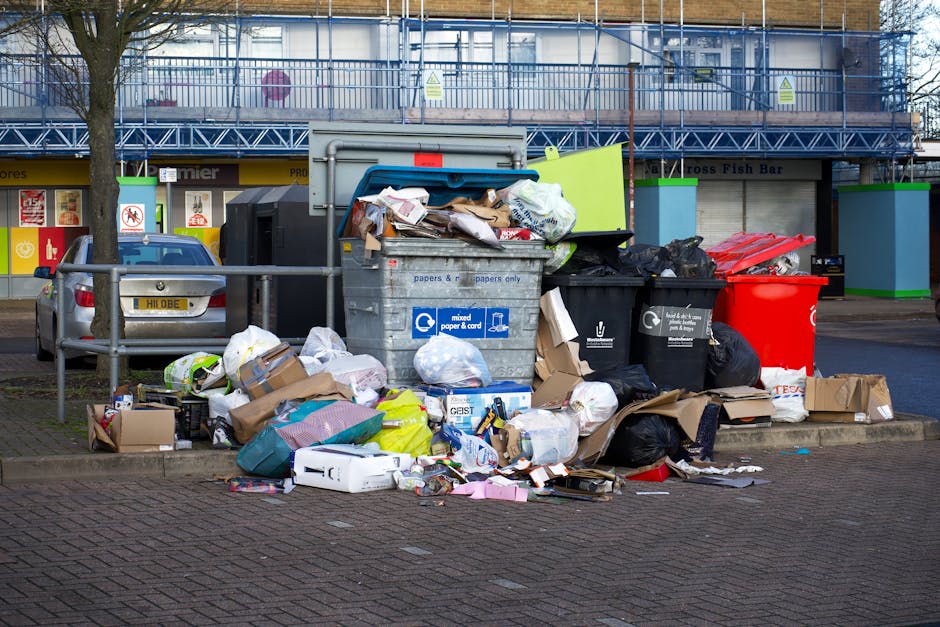
If you are sorting waste around Brunel University, whether it is student flat clutter, office overflow, post-renovation debris, or a bulky item that has somehow become a permanent resident, the whole process can feel messier than it should. That is exactly where Brunel University Rubbish Clearance Services Hillingdon Tips comes in: practical advice for clearing waste efficiently, keeping things compliant, and avoiding the usual last-minute stress.
In a busy university area, rubbish clearance is rarely just "pick it up and go". You have people moving in and out, shared spaces, tight stairwells, awkward parking, deadlines, and a constant need to keep disruption low. The good news? With the right approach, you can make clearance simple, tidy, and far less expensive than a rushed job on the day. Below, you will find a clear guide to how it works, who it helps, what to watch for, and the small decisions that make a big difference.
Table of Contents
- Why Brunel University Rubbish Clearance Services Hillingdon Tips Matters
- How Brunel University Rubbish Clearance Services Hillingdon Tips Works
- Key Benefits and Practical Advantages
- Who This Is For and When It Makes Sense
- Step-by-Step Guidance
- Expert Tips for Better Results
- Common Mistakes to Avoid
- Tools, Resources and Recommendations
- Law, Compliance, Standards, or Best Practice
- Options, Methods, or Comparison Table
- Case Study or Real-World Example
- Practical Checklist
- Conclusion
- Frequently Asked Questions
Why Brunel University Rubbish Clearance Services Hillingdon Tips Matters
University-area clearance work has its own rhythm. Around Brunel and the wider Hillingdon area, waste often builds up in short bursts: end-of-term clear-outs, refurbishments, office changes, accommodation turnover, moving-day leftovers, and the odd "we will deal with that later" pile that quietly gets bigger. Truth be told, those piles rarely improve on their own.
Good rubbish clearance matters because it protects access, reduces hazards, keeps shared spaces usable, and helps you avoid that slightly frantic feeling when the deadline is suddenly tomorrow morning. It also helps with presentation. If you are managing a student property, commercial unit, or shared accommodation near campus, the look and feel of the place influences how smoothly everything else runs.
There is also a practical angle. When waste is sorted properly, you can separate items for reuse, recycling, furniture disposal, or specialist handling instead of throwing everything into one expensive, inefficient heap. That is where local knowledge helps. The best clearance decisions usually happen before the van turns up, not after.
And yes, the "simple" jobs are rarely simple. A single mattress down three flights of stairs, a broken fridge in a narrow hallway, or a loft full of mixed items can change the plan quickly. Anyone who has tried to drag a sofa round a corner in a terraced house in the rain knows the feeling.
How Brunel University Rubbish Clearance Services Hillingdon Tips Works
The basic process is straightforward, but the details matter. A rubbish clearance service typically starts with an estimate of what needs removing, how much space it will take, and whether any items need special handling. From there, the team plans access, timing, loading, and disposal. Simple on paper. A little more involved in real life.
In a university setting, the process often needs to account for access windows, building rules, parking restrictions, and the fact that people are coming and going all the time. That means a good plan is not just about volume. It is about timing, communication, and minimising disruption.
If the clearance includes general household waste, furniture, appliances, or mixed junk, a well-run service can remove it in one visit. For larger or more complex jobs, like a partial office strip-out or post-refurbishment rubbish removal, the work may be better split into categories. For example, builders waste clearance is usually handled differently from general home clearances, and the same goes for office clearance versus flat clearance.
In practical terms, the job often looks like this:
- You identify what needs to go.
- You separate reusable, recyclable, and specialist items where possible.
- You confirm access details, timing, and any restrictions.
- The clearance team loads items safely and removes them.
- Waste is sorted for the most appropriate disposal route.
That sounds neat, and usually it is. The trick is preparation. A few minutes spent listing items can save an annoying amount of back-and-forth later.
Key Benefits and Practical Advantages
The value of proper rubbish clearance near Brunel University is not only about getting rid of clutter. It is about making the whole space easier to live in, work in, and hand over. When people ask what they actually gain, the answer is usually a mix of speed, convenience, safety, and peace of mind.
Here are the main benefits in plain English:
- Less disruption: a single planned clearance is far easier than several improvised trips.
- Safer access: fewer trip hazards, blockages, and awkward items in corridors or communal areas.
- Better sorting: furniture, appliance, and general waste can be handled more intelligently.
- Time savings: you avoid hours of lifting, loading, and queueing at disposal points.
- Cleaner handovers: especially useful for student lets, office moves, and end-of-tenancy situations.
There is also a quieter benefit that people often overlook: mental relief. Once the clutter is gone, decisions get easier. You can see the room again. Sounds obvious, but it really does change how a space feels.
If you are dealing with furniture or bulky household pieces, it can help to look at dedicated options such as furniture clearance or, when the item is no longer fit for reuse, furniture disposal. For mixed household jobs, home clearance and house clearance can be a better fit than piecing everything together yourself.
Who This Is For and When It Makes Sense
This topic matters to a wider group than you might expect. It is not just for students doing an end-of-term spring clean. It also helps landlords, letting agents, facilities teams, small businesses, and anyone managing a property near the university who needs a practical rubbish removal solution.
You are likely in the right place if you are dealing with one of these situations:
- student flat clear-outs before moving out
- shared house rubbish after a tenancy change
- office or admin space changes near campus
- furniture left behind after a move
- garage, loft, or storage room clutter that has finally got out of hand
- bulky waste after decoration, maintenance, or minor building work
It also makes sense when the job is awkward rather than huge. A small amount of waste can still be a pain if it is heavy, dirty, or difficult to move. A battered fridge, a couple of armchairs, and a pile of mixed black bags can take more effort than a person expects on a Saturday morning, especially if the lift is broken. Been there, or at least most property managers have.
For business settings, a separate service like business waste removal or office clearance may be more appropriate than a general clearance. That is worth deciding early, because the classification of the waste often changes how it should be handled.
Step-by-Step Guidance
If you want the job to go smoothly, the best approach is to break it down. Rushing is what creates extra cost, extra waste, and extra annoyance. Here is a practical sequence that works well in university-area clearances.
1. Walk the space first
Take ten minutes and look at the items properly. Count bulky pieces, note any damaged appliances, and identify anything that may need special treatment. A quick visual sweep often reveals more than the original "there are just a few things" estimate. Funny how that happens.
2. Separate obvious categories
Sort items into general rubbish, furniture, electricals, garden waste, and anything potentially hazardous. If you mix everything together, the job becomes slower and can be more expensive. If you already know there are appliances involved, check options like fridge and appliance removal.
3. Flag anything sensitive or risky
Old paperwork, confidential student records, IT equipment, and storage boxes with personal data need a little more care. In those cases, a service such as confidential shredding may be the sensible add-on rather than simply binning the lot. You do not want records sitting around in the wrong pile.
4. Check access before collection
Measure doorways if needed, note stair access, and think about where the vehicle can park. Around busy university roads, a loading plan matters. If access is tight, mention it upfront. It saves the awkward moment when a bulky wardrobe reaches the landing and everyone realises the corner is not quite as generous as it looked.
5. Book the right type of service
Match the job to the item type. Garden waste is not the same as office clutter. Builders debris is not the same as soft furnishings. For outdoor material, look at garden clearance. For renovation debris, builders waste clearance is usually the better route.
6. Confirm timing and finish the space
Agree a time that avoids peak disruption. If the clearance is part of a handover, give yourself a little buffer. A rushed final hour is where things get missed. A calm final sweep, with the kettle on and the last box out, tends to go better. Small mercy, but still.
Expert Tips for Better Results
The difference between an average clearance and a smooth one often comes down to a few small habits. Nothing glamorous. Just the sort of things that make you quietly relieved later.
- Photograph the pile before booking: it helps with planning and avoids vague estimates.
- Put like with like: one corner for books and paper, one for furniture, one for bags of general waste.
- Leave a clear path: even a narrow route through the hallway can save time and reduce damage risk.
- Ask about recycling in advance: not every item should go the same way.
- Keep one person in charge: mixed instructions from four people can slow everything down, nicely or not.
Another useful tip is to think beyond the immediate clear-out. If you know more waste is likely in the next few weeks, plan one larger removal instead of several small panic jobs. That is often the cleaner, calmer option.
For example, a student property may need a flat clearance now, then a mattress removal later, then a final mixed waste pickup after decorating. It can be more efficient to plan the sequence with a service that understands flat clearance and specialist items such as mattress and sofa disposal.
Common Mistakes to Avoid
Most clearance problems are surprisingly predictable. The same errors show up again and again, and to be fair, they are understandable when people are in a rush. Still, avoiding them makes the whole job easier.
- Leaving the sort until the last minute: by then, everything becomes "just rubbish".
- Not checking restricted access: a service lift, narrow stair, or permit zone can change the plan.
- Mixing special waste with general waste: this is messy and can create compliance issues.
- Forgetting about hidden storage: cupboards, loft spaces, garages, and under-bed areas collect far more than expected.
- Assuming all bulky waste is the same: appliances, furniture, mattresses, and building debris each need different handling.
One of the most common errors is underestimating how much room old furniture takes. A single wardrobe can feel tiny in the bedroom and enormous in a van. Space behaves oddly that way.
Another mistake is ignoring a clear quote process. If you want transparency, start with the provider's pricing and quotes information so you know what affects the final cost and what details matter before the team arrives.
Tools, Resources and Recommendations
You do not need a mountain of equipment to prepare for rubbish clearance, but a few simple tools make life easier. A marker pen, sturdy bin bags, gloves, tape, and a phone camera are often enough to get organised. Sometimes the least exciting tools are the most useful. Not exactly thrilling, but effective.
Here is a sensible set-up:
- Labels or sticky notes: for marking items to keep, donate, recycle, or remove
- Heavy-duty bags: for loose waste and smaller mixed items
- Gloves and basic protection: especially where there is dust, broken material, or old storage clutter
- Camera or phone: to record the job, share access details, and compare before/after
- Notebook or checklist: helpful when multiple people are involved
For services that focus on specific waste types, it helps to use the right page as a starting point. A good fit for general disposal is waste removal. If the job is tied to workplace changes, office clearance may be the better fit. If it is all about end-of-tenancy furniture, go back to the furniture-specific options and keep it simple.
And if sustainability matters to you, that is a good thing. Look for a provider that can explain what happens to different waste streams in plain English. Reuse, recycling, and responsible disposal should not feel like mysterious magic. A decent company should be able to talk about it calmly.
You can also review the company's recycling and sustainability approach, plus practical policies such as health and safety policy and insurance and safety before you commit.
Law, Compliance, Standards, or Best Practice
When rubbish clearance involves multiple occupants, business premises, or items that could be classed as regulated waste, best practice matters. You do not need to become a compliance expert overnight, but you should know the basics. Keep waste separated where practical, avoid mixing hazardous items with general loads, and make sure the collection route fits the waste type.
In the UK, waste handling is not something to guess your way through. If something is potentially hazardous, electrical, confidential, or unusually bulky, it should be identified early. That is the sensible approach, and it reduces risk for everyone involved. A professional service should be able to explain its process without making it sound complicated.
For customers, the most practical rule is simple: if you are unsure whether an item needs special handling, ask before collection. That applies especially to fridges, freezers, old electronics, paint, chemicals, cleaning fluids, and mixed waste left after repairs. A small mistake here can become an irritating delay later.
It is also wise to check the provider's broader trust pages, including about us, terms and conditions, and complaints procedure. Those pages are not just formalities. They tell you a lot about how the business works when something is less than perfect, which, let's face it, is useful.
Options, Methods, or Comparison Table
There is more than one way to get rubbish cleared near Brunel University. The best method depends on volume, item type, timing, and how much lifting you want to do yourself. Here is a simple comparison.
| Method | Best for | Pros | Trade-offs |
|---|---|---|---|
| General rubbish removal | Mixed household waste, small clear-outs, clutter | Flexible, quick, low hassle | May not suit specialist or very bulky items |
| Furniture clearance | Tables, wardrobes, desks, chairs, sofas | Ideal for bulky items, easier sorting | Heavy lifting still needs planning |
| Office clearance | Desks, filing, old equipment, workspace clear-outs | Good for business continuity and handovers | Confidential and electrical items need careful handling |
| Builders waste clearance | Renovation debris, offcuts, rubble, packaging | Suited to post-work clean-up | Not the same as general household waste |
| Skip-related planning | Longer projects with repeated waste generation | Useful for staged jobs | Requires space, loading discipline, and good item sorting |
If you are not sure which method fits, look at the item mix first. That one step answers most of the question. A sofa and a broken wardrobe point you one way; plasterboard and timber point another. No need to overthink it, though a little thinking does help.
For people weighing collection against other disposal approaches, it can be useful to review what can go in a skip before deciding whether a skip-style solution or a direct clearance service is the better fit.
Case Study or Real-World Example
Here is a realistic scenario. A small student house near Brunel needs clearing at the end of term. The group has left behind a broken dining chair, an old mattress, two bookcases, a couple of bags of mixed rubbish, and one fridge that is doing nothing useful except taking up hallway space. Not unusual at all.
The first instinct is often to "just start moving things". But the better approach is to sort the items first. The mattress and sofa-style items are separated, the fridge is flagged for appliance handling, the paper clutter is boxed, and the general rubbish is bagged. The path to the front door is cleared before collection day. Simple enough, but it saves a lot of friction.
On the day, the team can work quickly because access is ready and the waste is grouped properly. Nobody is trying to decide in the hallway whether a damp box of old cables is general waste or something else. The job finishes faster, the property is left neater, and the handover is far less stressful.
That kind of outcome is common when people prepare well. It is not magic. Just a bit of order before the mess gets carried away.
Practical Checklist
Use this checklist before your collection day. It is small, but it catches most of the avoidable problems.
- List every item that needs to go.
- Separate general waste, furniture, appliances, and special items.
- Check access routes, stairs, and parking constraints.
- Confirm whether any items need specialist handling.
- Remove valuables, paperwork, and personal items first.
- Label what stays and what goes.
- Photograph the waste pile for clarity.
- Confirm timing and keep a contact person available.
- Review pricing details before booking.
- Walk through the space after the clearance is complete.
If you are dealing with a tricky item like a broken appliance, a bulky mattress, or a pile of work furniture, it is worth matching the job with the right service page instead of forcing a general solution. That little bit of precision tends to pay off.
Get a free quote today and see how much you can save.
Conclusion
Brunel University Rubbish Clearance Services Hillingdon Tips is really about making a practical job easier, cleaner, and less stressful. If you plan ahead, sort the waste properly, and choose the right removal method, the whole thing becomes much more manageable. That is true whether you are clearing a student flat, a shared house, an office, or a mixed property near campus.
The main idea is simple: do the easy thinking before the hard lifting starts. A few notes, a bit of sorting, and a sensible booking choice can save time, money, and a fair amount of frustration. And once the space is clear, you will feel it straight away. The room breathes again, which sounds dramatic, but it is true.
When you are ready to move from planning to action, use the relevant service information, check the terms, and make the job as straightforward as possible. It really can be that calm.
Frequently Asked Questions
What does Brunel University rubbish clearance usually cover?
It usually covers mixed waste, student flat clutter, furniture, appliances, office items, and bulky rubbish that needs to be removed safely and efficiently. The exact scope depends on the type of property and the waste involved.
Is this the same as general waste removal?
Not always. General waste removal is broader, while university-area clearance often needs more attention to access, timing, tenancy turnover, and mixed item types. In many cases, a more specific service works better.
How do I know whether I need furniture clearance or house clearance?
If the job is mainly bulky furniture, furniture clearance is usually the clearer fit. If you are clearing a whole property or a large proportion of it, house clearance or home clearance is often more appropriate.
What should I do with old fridges or freezers?
They should be handled separately as appliances, not just thrown in with general rubbish. If you have one to remove, look for fridge and appliance removal so it is dealt with properly.
Can rubbish clearance help at the end of term?
Yes, absolutely. End-of-term clear-outs are one of the most common reasons people need rubbish removal near a university. They are often busy, time-sensitive, and full of mixed items.
Do I need to sort the waste before the team arrives?
It helps a lot. Sorting waste into furniture, appliances, general rubbish, and sensitive items saves time and reduces confusion. It is one of the simplest ways to make the job smoother.
What if I have confidential papers or records?
Those should not be left mixed in with ordinary waste. Use a confidential shredding service for anything containing personal or business information.
How can I reduce the cost of clearance?
Be specific about what needs removing, group items neatly, provide accurate access details, and avoid last-minute changes. Clear information usually leads to a better quote and less wasted time on site.
Are there different services for office waste and home clutter?
Yes. Office clearance and business waste removal are better for workplace items, while home clearance, flat clearance, or house clearance are better for residential spaces. Matching the job properly is usually worth it.
What is the biggest mistake people make with rubbish clearance?
The biggest mistake is waiting too long and then rushing everything. That is when waste gets mixed, access gets forgotten, and the job becomes harder than it needed to be. A little planning goes a long way.
Can I check a company's safety and trust information before booking?
Yes, and you should. Pages like about us, terms and conditions, health and safety policy, insurance and safety, and complaints procedure help you understand how the company operates and what to expect.
What if I am not sure which service page to use?
Start with the item type and the setting. Furniture, appliances, garden waste, building debris, and office items each point to different service needs. If the waste is mixed, general waste removal may be the simplest starting point.